THERMAL MASS vs INSULATION
Thermal mass refers to the ability of a material to store and release heat energy. It describes the capacity of building materials to absorb heat during the day and slowly release it at night, helping to regulate indoor temperatures.
Impact of Thermal Mass in a Dwelling:
- Temperature Stabilization:
- Summer: During hot days, thermal mass absorbs excess heat, preventing rapid temperature increases within the dwelling. This delayed heat release helps maintain cooler indoor temperatures, even after the sun goes down.
- Winter: In colder climates, thermal mass stores heat absorbed from sunlight during the day. This stored heat is gradually released at night, providing a source of warmth and reducing the need for additional heating.
- Improved Energy Efficiency:
- By reducing temperature fluctuations, thermal mass can significantly decrease the reliance on mechanical heating and cooling systems. This leads to lower energy consumption and reduced energy bills.
- Increased Comfort:
More stable indoor temperatures create a more comfortable living environment. This is particularly beneficial for people who are sensitive to temperature changes.
Common Materials with High Thermal Mass:
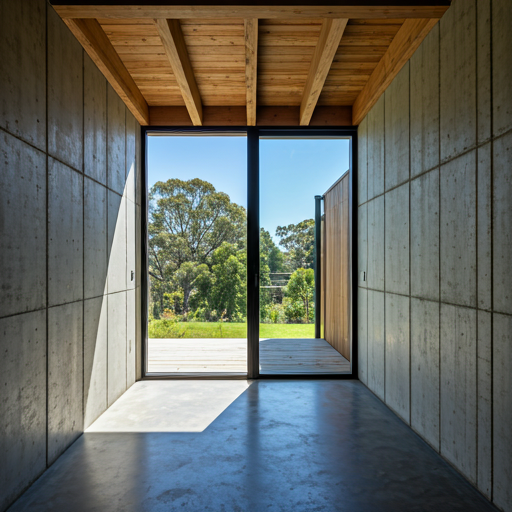
- Concrete: Concrete floors, walls, and even furniture can effectively store and release heat.
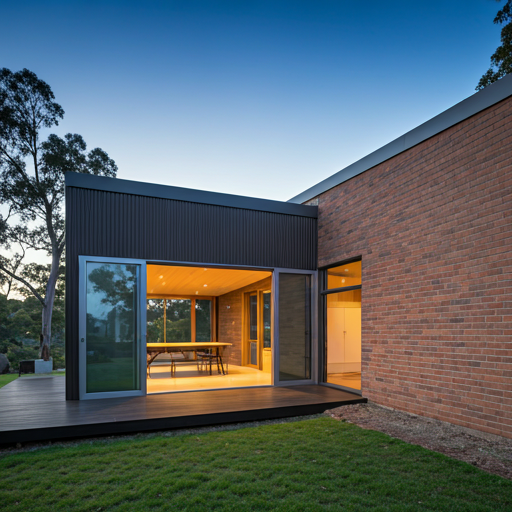
- Brick: Brick walls and floors also possess good thermal mass properties.
- Stone: Natural stone, such as granite and marble, has excellent thermal mass capabilities.
- Water: Water features, such as ponds or water walls, can contribute to thermal mass.
Effective Use of Thermal Mass:
- Proper Orientation: To maximize the benefits of thermal mass, buildings should be oriented to capture sunlight during the winter and minimize solar gain during the summer.
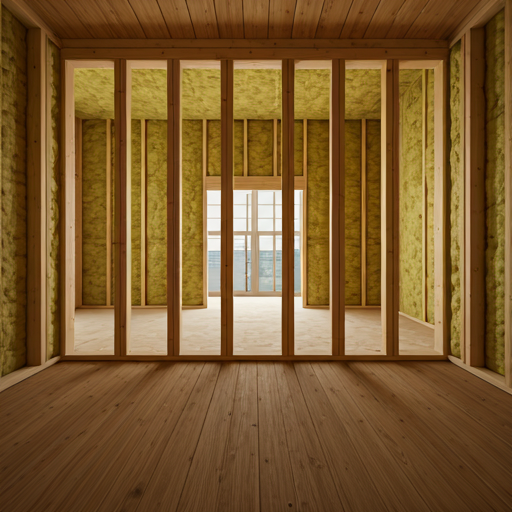
- Insulation: Adequate insulation is crucial to prevent heat loss and ensure that the stored heat is effectively used to regulate indoor temperatures.
- Ventilation: Proper ventilation strategies are essential to cool down the thermal mass during hot periods and to distribute the stored heat evenly throughout the dwelling.
Insulation and thermal mass both contribute to stabilizing temperatures in a dwelling, but they do so through different mechanisms:
- Insulation:
- Focus: Primarily prevents heat transfer between the inside and outside of the building.
- Mechanism: Acts as a barrier, slowing down the rate at which heat flows through building elements (walls, roof, floor).
- Effect:
- Reduces temperature fluctuations caused by external temperature changes.
- Minimizes heat loss in winter and heat gain in summer.
- Requires less energy for heating and cooling.
- Thermal Mass:
- Focus: Stores and releases heat energy.
- Mechanism: Absorbs heat during periods of high temperatures (daytime) and releases it gradually when temperatures drop (nighttime).
- Effect:
- Smoothes out temperature swings within the dwelling.
- Delays the transmission of heat into and out of the building.
Here's an analogy:
- Insulation is like a thick blanket that keeps you warm by preventing heat from escaping your body.
- Thermal Mass is like a hot water bottle that stores heat and slowly releases it, keeping you warm throughout the night.
Key Differences:
- Primary Function: Insulation primarily prevents heat transfer, while thermal mass primarily stores and releases heat.
- Time Scale: Insulation has a more immediate effect on temperature, while thermal mass has a delayed effect.
- Interaction: Insulation and thermal mass work best in conjunction. Insulation minimizes heat loss/gain, while thermal mass helps to stabilize the remaining temperature fluctuations.
In summary:
- Insulation is crucial for minimizing energy consumption and maintaining comfortable indoor temperatures by reducing heat transfer.
- Thermal Mass enhances comfort by smoothing out temperature fluctuations and reducing the reliance on mechanical heating and cooling systems.
By effectively combining insulation and thermal mass, you can create a highly energy-efficient and comfortable living environment.
Using thermal mass and orientation effectively in different climate zones
Queensland (QLD):
- Climate: Queensland experiences a diverse climate, ranging from subtropical in the north to sub-tropical and temperate in the south.
- Orientation: North-facing orientation is generally beneficial in most of Queensland. This maximizes winter sun exposure for passive heating while minimizing summer solar gain.
- Thermal Mass:
- Subtropical North: Focus on shading and ventilation to combat summer heat. Thermal mass can be used strategically, perhaps incorporating it into internal walls or floors to moderate temperature swings.
- Subtropical South: A balance is needed. Thermal mass can be beneficial in winter, but careful shading and ventilation are crucial during summer. Consider using lighter-weight materials or incorporating features like exposed brick walls with good ventilation.
New South Wales (NSW):
- Climate: NSW experiences a wide range of climates, from coastal to alpine.
- Orientation: North-facing orientation remains generally beneficial, especially in inland areas. Coastal areas may benefit from slight east or west orientations to capture milder breezes.
- Thermal Mass:
- Coastal: Focus on moderating summer temperatures. Thermal mass can be used strategically, perhaps incorporating it into internal walls or floors while ensuring good ventilation.
- Inland: Thermal mass can be highly beneficial in both winter and summer. Concrete slabs, brick walls, and even water features can help to stabilize temperatures.
Victoria (VIC):
- Climate: Victoria experiences a range of climates, from cool temperate in the south to warm temperate in the north.
- Orientation: North-facing orientation is generally beneficial, especially in areas with colder winters.
- Thermal Mass:
- Southern Regions: Thermal mass is crucial for winter heating. Concrete floors, brick walls, and even water features can significantly improve energy efficiency.
- Northern Regions: A balance is needed. Thermal mass can be beneficial in winter but may require careful shading and ventilation during summer.
How Thermal Mass and Orientation Increase Thermal Comfort Range:
- Reduced Temperature Fluctuations: By storing and releasing heat, thermal mass minimizes temperature swings within the dwelling. This creates a more stable and comfortable indoor environment.
- Extended Comfort Zone: The reduced temperature swings mean the dwelling remains comfortable for a longer period, minimizing the need for heating and cooling.
- Improved Energy Efficiency: Reduced reliance on mechanical systems leads to lower energy consumption and reduced environmental impact.
Important Note: These are general guidelines. Optimal design solutions will vary depending on specific factors such as:
- Local climate variations: Microclimates within each state can significantly influence the best approach.
- Building orientation and site conditions: Factors like slope, surrounding vegetation, and prevailing winds must be considered.
- Building materials and construction methods: The specific materials and construction techniques used will impact the effectiveness of thermal mass.
By carefully considering these factors and incorporating appropriate thermal mass and orientation strategies, it is possible to create highly energy-efficient and comfortable dwellings in all regions of southern Australia.